
FAQ
Frequently Asked Question
Answers to Common Questions
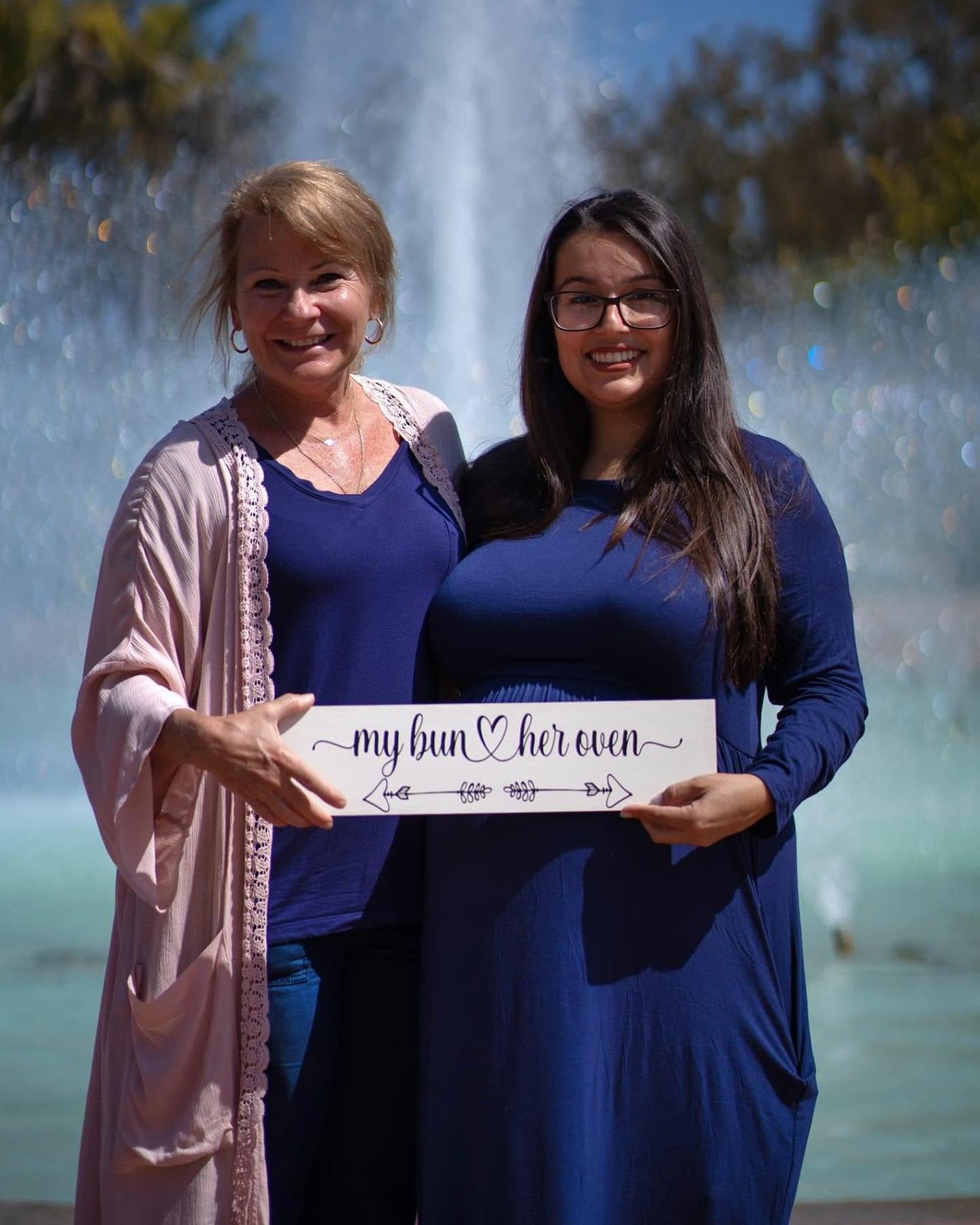
Becoming a surrogate typically involves a comprehensive process that can take several months. At Family Matters Surrogacy, we ensure a thorough screening, matching, and preparation period to provide a seamless and rewarding experience for our surrogates.
To become a surrogate mother, one usually needs to meet specific criteria set by the surrogacy agency, which may include age, health, and lifestyle requirements.
A surrogacy birth plan outlines the preferences for the childbirth process, including the location, medical interventions, and the involvement of the intended parents.
Egg donation programs often have specific criteria related to age, health history, and lifestyle factors. Certain health conditions or lifestyle choices may disqualify potential donors.
Eligibility to be a surrogate can depend on the specific medical condition and its potential impact on the pregnancy and the surrogate’s overall health.
Surrogacy agencies generally assess each case individually, considering the specific health factors and risks involved.
Surrogacy eligibility might be influenced by various health factors, including HSV. Comprehensive medical screenings are conducted to ensure the safety of all parties involved.
Surrogacy agencies have specific eligibility criteria, which might include age restrictions, certain health conditions, lifestyle factors, and psychological assessments to ensure the well-being of both the surrogate and the intended parents.
Surrogacy agencies prioritize the mental and emotional well-being of surrogates. It’s essential to discuss any health concerns, including depression, during the screening process.
Surrogate medical screenings typically include comprehensive physical examinations, medical history reviews, infectious disease testing, and mental health assessments.
Choosing a Surrogacy Agency
Family Matters Surrogacy stands among the top surrogacy agencies in the USA, known for our exceptional personalized care, rigorous screening processes, and comprehensive legal guidance, ensuring a seamless and rewarding surrogacy journey.
Reviews for Family Surrogacy highlight the agency’s dedication to personalized care, transparent processes, experienced staff, and successful outcomes, providing a positive and supportive experience for both surrogates and intended parents.
Family Matters Surrogacy stands out for our compassionate approach, comprehensive support, and commitment to creating fulfilling experiences for both surrogates and intended parents. With our San Diego-based agency, you can expect personalized guidance and a nurturing environment throughout your surrogacy journey.
Family Matters Surrogacy’s dedication to fostering a supportive and empathetic environment, along with our commitment to ethical practices, transparency, and successful outcomes, sets us apart as one of the top-rated surrogacy agencies in the industry.
Surrogacy Without Previous Pregnancy
Surrogacy agencies may have specific criteria for surrogate candidates, which can include previous successful pregnancies, good physical and mental health, and the ability to understand the emotional and physical demands of surrogacy.
Surrogacy without a previous pregnancy might involve additional medical and psychological evaluations to ensure the candidate’s readiness for the physical and emotional demands of carrying a child to term.
Surrogacy without a prior pregnancy might involve additional assessments to ensure the candidate’s physical and emotional readiness for the demands of carrying a child to term.
Surrogacy agencies might have specific criteria for surrogate candidates, which can include previous successful pregnancies, good physical and mental health, and a thorough understanding of the surrogacy process and its demands.
Lorem ipsum dolor sit amet, consectetuer adipiscing elit. Aenean commodo ligula eget dolor. Aenean massa. Cum sociis natoque penatibus et magnis dis parturient montes, nascetur ridiculus mus. Donec quam felis, ultricies nec, pellentesque eu, pretium quis, sem. Nulla consequat massa quis enim. Donec pede justo, fringilla vel, aliquet nec, vulputate eget, arcu.
Surrogate Age Requirements
The maximum age for a surrogate mother can vary among surrogacy agencies and countries, typically ranging between 21 and 45 years, with some flexibility based on individual health assessments and previous pregnancy history.
The age limit to be a surrogate can vary among agencies and countries, typically ranging between 21 and 45 years, with certain exceptions made based on the individual’s overall health and previous pregnancy history.
Surrogacy in Specific Locations
To initiate the surrogacy process in Sacramento, CA, individuals can reach out to reputable surrogacy agencies in the region, complete the application process, and undergo comprehensive screenings to determine their eligibility as a surrogate.
When choosing the right surrogacy agency in Sacramento, Family Matters Surrogacy stands out as a beacon of trust and support. Our agency offers a seamless and transparent journey, ensuring personalized care and guidance every step of the way. With our wealth of experience, legal expertise, and a proven track record of successful matches, we prioritize creating a nurturing and empathetic environment for both intended parents and surrogates. At Family Matters Surrogacy, we are committed to providing comprehensive medical screenings, legal support, and emotional guidance, making us the ideal choice for your surrogacy needs in Sacramento.
6. Surrogacy Compensation
How much do surrogates make in Arizona? What factors influence compensation?
Surrogate compensation in Arizona can vary based on several factors, including the specific surrogacy agency, the intended parents’ requirements, the surrogate’s experience, and the overall terms of the surrogacy agreement.
Egg Donation & Egg Freezing FAQs
Egg freezing involves retrieving a woman’s eggs, freezing them, and storing them for potential future use in assisted reproductive treatments.
Egg freezing typically involves ovarian stimulation, egg retrieval, freezing, and storage for potential future use in assisted reproductive treatments.
At Family Matters Surrogacy in San Diego, we offer comprehensive egg freezing options tailored to meet the unique needs of individuals considering fertility preservation. Our state-of-the-art facilities provide cutting-edge technology and personalized care, ensuring a supportive and comfortable experience throughout the egg freezing process. With a team of experienced fertility specialists, we guide individuals through the available options, including vitrification, a leading method for preserving the viability of eggs. Our goal is to empower individuals to make informed decisions and take proactive steps towards their reproductive future.
Egg donation programs often have specific guidelines for the use of birth control during the donation process. Discussing this with the respective fertility clinic is essential.
At Family Matters Surrogacy, the egg donation process involves thorough medical and psychological evaluations, ovarian stimulation, egg retrieval, and attentive post-procedural care, ensuring a smooth and supportive experience for our donors.
PCOS can affect egg quality and fertility, potentially influencing the success of the egg donation process. Consultation with a fertility specialist is essential to address any specific risks and considerations associated with PCOS.
Egg donation guidelines might vary, but some fertility clinics may allow egg donation while on certain forms of birth control. It’s essential to discuss this with the fertility clinic to understand their specific guidelines and protocols.
Surrogate Health Requirements FAQs
Understanding the health requirements for surrogacy is vital. Potential surrogates often seek clarity on their eligibility. Your doctor can offer insights into your health’s impact on this. Intended parents’ preferences also influence the matching process. Surrogate health requirements vary, but here are general answers.
In most cases, yes. HPV typically does not affect the developing baby during pregnancy. If there is an outbreak of warts close to your due date, a cesarean-section may be recommended to prevent potential transmission to the child.
HIV-positive individuals are generally not eligible to become surrogate mothers due to the risk of transmission to the baby and the intended parents. Safety and health considerations are paramount in surrogacy.
Surrogacy is typically not recommended after an endometrial ablation procedure, as it may affect the uterine lining and the ability to carry a pregnancy. Consultation with a fertility specialist is essential.
Surrogacy can be an option for individuals with PCOS, although it may require careful management of the condition and thorough medical evaluations to ensure a safe and healthy pregnancy.
Surrogacy is generally not recommended for individuals with sickle cell disease due to the potential health risks and complications associated with pregnancy. Safety and health considerations are paramount in surrogacy.
Yes, it is possible to be a surrogate mother with herpes. While it’s rare for a baby to be born with birth defects due to herpes, if you have an outbreak close to your due date, a cesarean-section may be recommended to minimize the risk of transmission.
Surrogacy may be an option for individuals who have previously experienced preeclampsia, depending on the severity and recurrence risk. Medical evaluations will determine eligibility.
Surrogacy is often a viable option for individuals with endometriosis, as it can impact fertility. Proper medical assessments and treatments can be explored to enhance the chances of a successful surrogacy journey.
Surrogacy may be possible for individuals with adenomyosis, although thorough medical evaluations and treatment may be necessary to address any associated concerns.